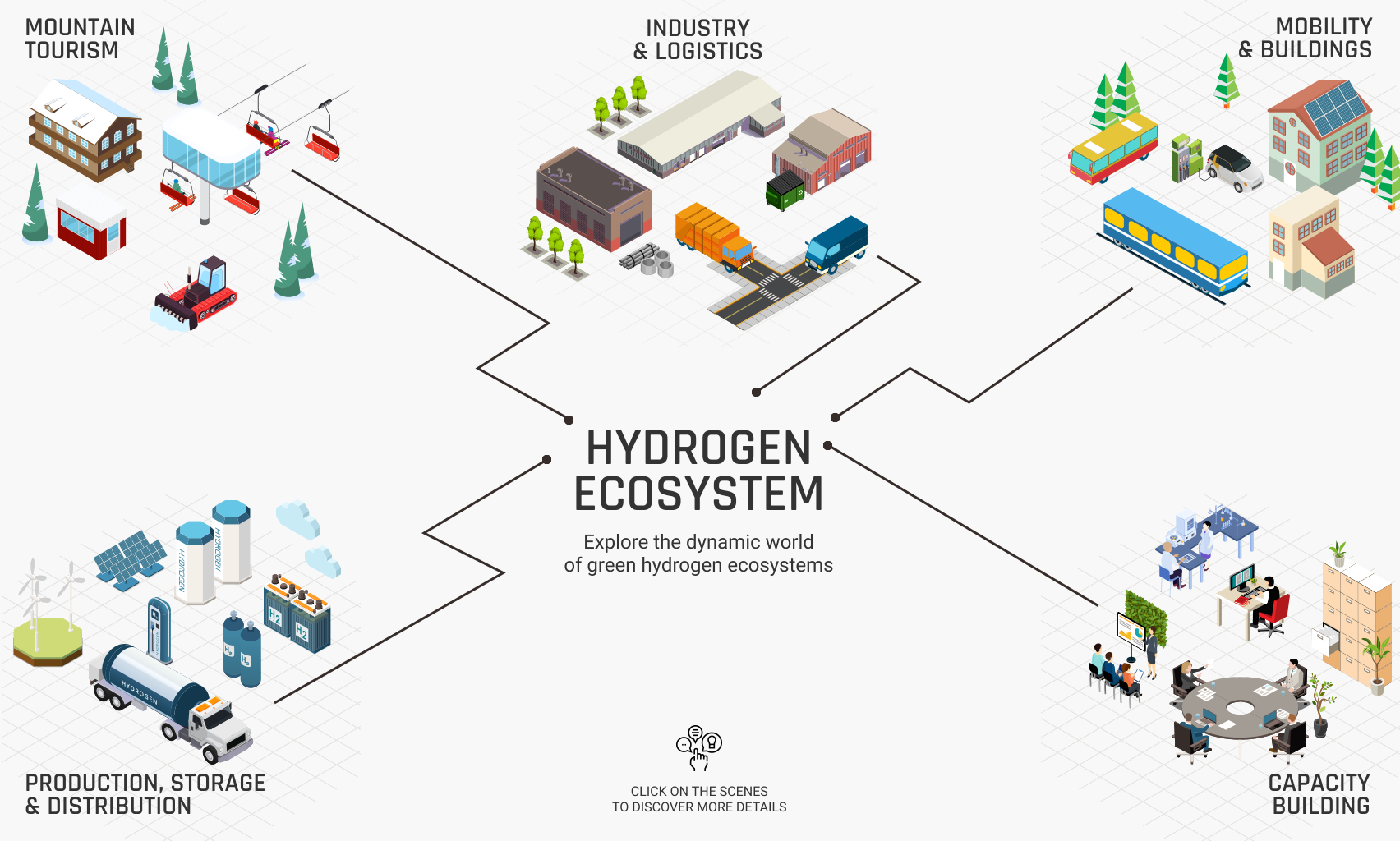
Explore the dynamic world of green hydrogen ecosystems
CLICK ON THE SCENES
TO DISCOVER MORE DETAILS
MOUNTAIN TOURISM
INDUSTRY & LOGISTICS
MOBILITY & BUILDINGS
PRODUCTION, STORAGE & DISTRIBUTION
CAPACITY BUILDING
Mountain Tourism
Hydrogen Snow-Groomer
A hydrogen-powered snow-groomer is an eco-friendly alternative to traditional diesel machines. By using hydrogen fuel cells or internal combustion engines, these snow-groomers operate with zero emissions, significantly reducing the carbon footprint of ski resorts.
Stationary Electric Power Generation
Hydrogen can provide clean, reliable energy for mountain resorts, allowing them to operate independently from conventional power grids. Hydrogen fuel cells (but alsoboilers, internal combustion engines, turbines) can supply energy for heating, lighting, and appliances, as well as for stationary power generation units. This is particularly beneficial for remote locations, ensuring uninterrupted power supply while minimizing environmental impact.
Industry & Logistics
Industrial and Commercial Activities
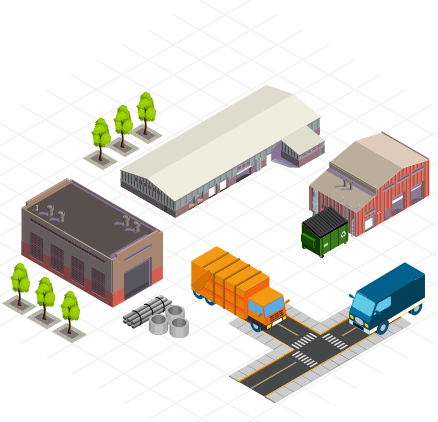
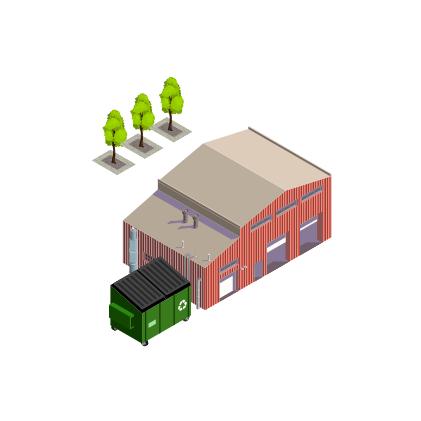
Factories, manufacturing plants, energy-intensive industries, but also commercial facilities, such as supermarkets, can use hydrogen as an alternative to fossil fuels, reducing carbon emissions and promoting sustainable production. Hydrogen can be employed for stationary electric power generation and for cogeneration, which combines heat and power generation.
Commercial Mobility
Hydrogen powered trucks for goods transportation (both short-haul and long-haul) can support the decarbonization of the industrial and logistics sectors also in Alpine regions. Fuel cell electric trucks provide long ranges and quick refueling times, and their robust performance is well-suited for navigating steep inclines and challenging road conditions typical of the Alpine landscape.
Mobility & Buildings
Urban Mobility
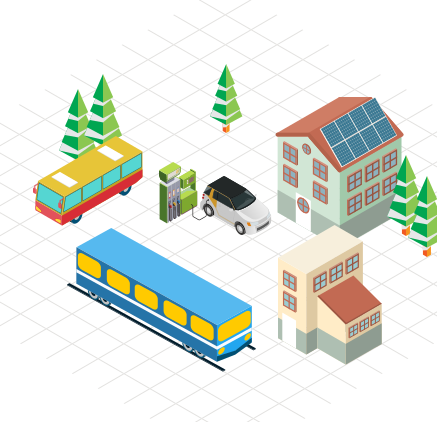
Hydrogen-powered buses, trains and light-duty vehicles can provide clean and efficient transport options, for both private and public sectors. Fuel cell electric vehicles (FCEVs) offer a transport service comparable to conventional diesel-powered internal combustion engine vehicles, ensuring long range travel (up to 600 km or more), short refueling times and zero direct emissions. Hydrogen is stored onboard in pressurized tanks (typically 300-350 bar for trains and buses, and 700 bar for cars), which feed the hydrogen to the fuel cell stack that powers the electric motor.
Residential and Commercial Buildings
Hydrogen-based heating (e.g., domestic gas boilers) and electricity generation systems with fuel cells can support the decarbonization of residential and commercial buildings. Current domestic boilers can function with a hydrogen-natural gas blend of up to 20%vol hydrogen; any increase in hydrogen concentration requires a redesign of the burner. Fuel cells can be very versatile for domestic use, for both heating and electricity supply, although they are currently less efficient than heat pumps solutions.
Hydrogen Refueling Station
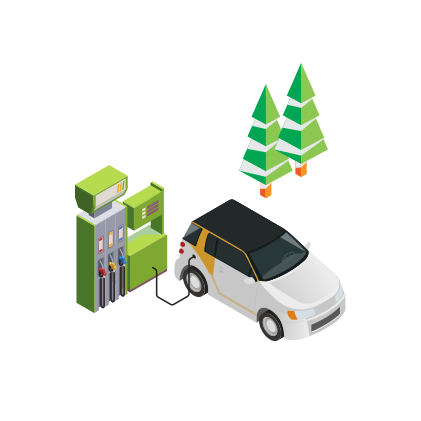
Hydrogen Refuelling Station (HRS) work just like refilling stations for petrol or diesel vehicles, although backend operations are entirely different. A regular HRS consists of hydrogen storage tanks, hydrogen gas compressors, a pre-cooling system and a hydrogen dispenser, which dispenses hydrogen to pressures of 350 bar (trains, buses), 700 bar (cars), or dual pressure dispensing, depending on the type of vehicle being refueled. A typical hydrogen car will be refueled in a few minutes.
Production, Storage & Distribution
Renewable Energy Sources
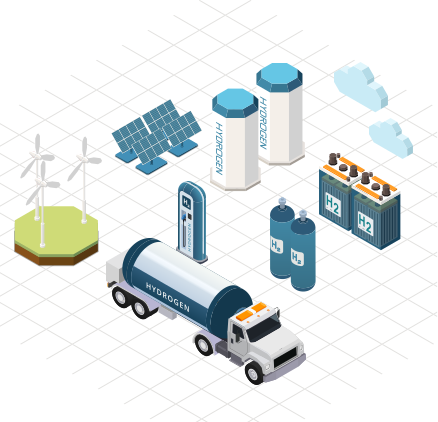
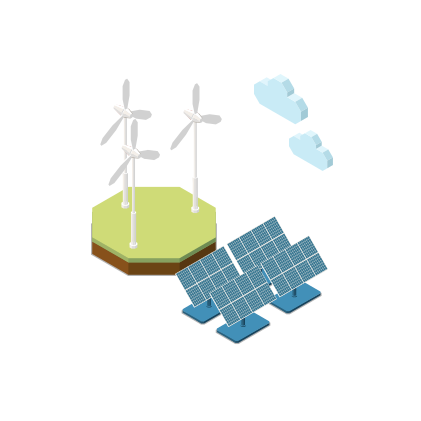
Solar photovoltaic (PV), wind, hydropower, and other renewable energy sources are essential in driving hydrogen production through electrolysis, which requires electric energy to split water molecules into hydrogen and oxygen. As these renewable sources are mostly intermittent, hydrogen production serves as an effective way to store surplus energy generated during peak conditions, providing a renewable and stable energy supply.
Hydrogen Production
An electrolyzer is a device that splits water into hydrogen and oxygen using electricity. When powered by renewable energy sources like PV and wind, the electrolyzer generates green hydrogen, a clean fuel with zero carbon emissions. There are various types of electrolyzers, such as alkaline and proton exchange membrane (PEM), each optimized for different scales of production.
Hydrogen Transport and Distribution
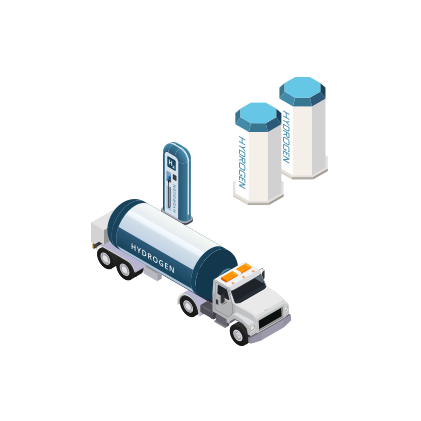
Hydrogen tube trailers are specialized vehicles designed to transport compressed hydrogen gas. They consist of high-pressure tanks mounted on a trailer, capable of delivering hydrogen from production sites to industrial users or hydrogen refueling stations (HRS). HRS are facilities where hydrogen-powered vehicles, such as fuel cell electric vehicles (FCEVs), are refueled. These stations store hydrogen in high-pressure tanks and dispense it into vehicles in a manner similar to conventional gasoline stations, but with advanced safety measures.
Hydrogen gas can also be distributed through dedicated pipelines, for long distances transport. These pipelines can connect production sites, storage facilities, and end users, providing a cost-effective and efficient method of large-scale hydrogen distribution. As hydrogen adoption grows, expanding the pipeline network is crucial for reducing transportation costs and ensuring reliable delivery across regions.
Hydrogen storage
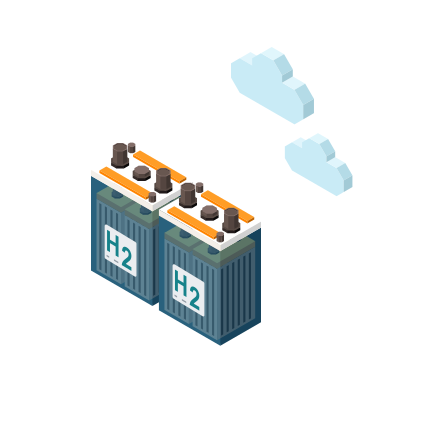
Hydrogen storage vessels are containers specifically designed to store either liquid hydrogen or gaseous hydrogen under high pressure. These vessels are essential for balancing supply and demand in hydrogen production, acting as buffers in both stationary applications and mobile solutions like tube trailers. Tanks for hydrogen gas are typically made from reinforced materials such as carbon fiber or steel, capable of safely holding hydrogen at pressures up to 700 bar. For large-scale applications, hydrogen can be stored as a cryogenic liquid at extremely low temperatures (around -253°C). Other storage options include metal hydrides, underground storage, liquid organic hydrogen carriers.
Capacity Building
Research and Development
Hydrogen R&D is crucial for improving existing technologies and finding innovative solutions to make hydrogen energy viable, efficient, and cost-effective. Collaborative R&D between governments, universities, research institutions and private companies is essential to accelerate hydrogen innovations, leading to breakthroughs in production scalability and cost reduction.
Policies and Strategies
Governments and institutions play a pivotal role in fostering hydrogen capacity through implementation of supportive policies and long-term strategies. This involves national hydrogen strategies, incentives and subsidies, regulations and standards, carbon pricing and emission reduction targets. Well-designed policies and strategies create a predictable and supportive environment for businesses and investors, helping hydrogen scale up faster.
Knowledge Sharing and Education
Developing a skilled workforce and raising public awareness of hydrogen’s role in energy transition are crucial for long-term success. This might include educational programs, workforce training, industry collaborations, public engagement and awareness. Knowledge sharing and education initiatives ensure that hydrogen technology and infrastructure development can keep pace with the growing demand while maintaining high safety and operational standards.